
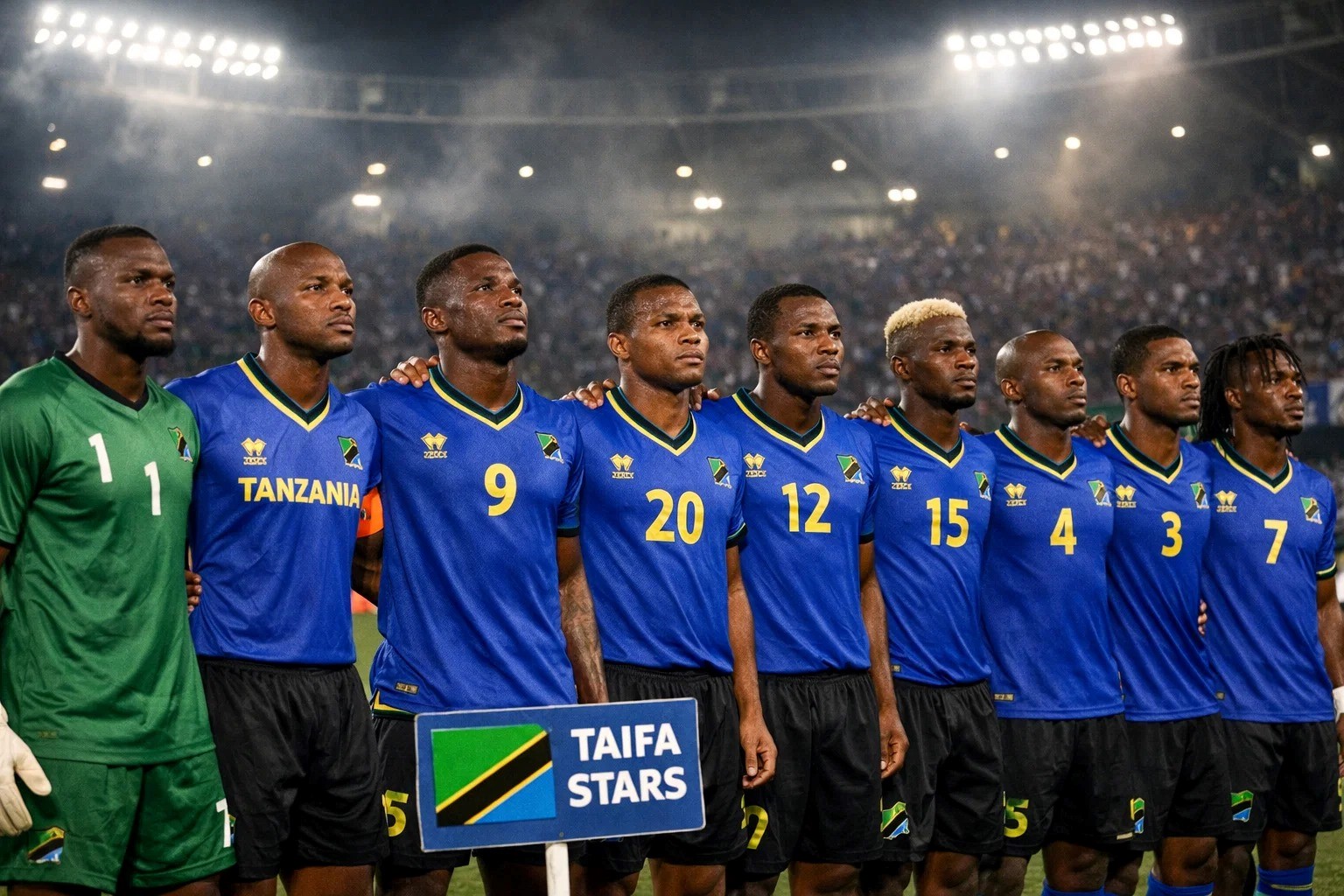
Tanzania national football team players do not revolve around one star alone: Mbwana Samatta still provides leadership; Simon Msuva still poses in the middle space, Feisal Salum has the creativity as well-understandable; new members of the team are Clement Mzize, Novatus Miroshi and Haji Mnoga. That matters because this group now has more pace, more defensive capabilities of the group and more solutions within the same country’s national football structure. So when CAF covers AFCON 2025 and CHAN 2024 now we can see a team which is no longer predictable so easily and harder to push around, much like the experience you get when you use the Spinbetter ios reliable, dynamic, and built for performance.
Core Structure Of The Squad
The easiest way to read the current pool is by function rather than by reputation. Samatta is still the emotional reference point, but the side now creates danger through several routes. CAF’s reporting on the AFCON run highlighted Feisal Salum as the creative hub, while newer attacking contributions came from Mzize and support from deeper areas. That is why the recent rise feels more durable than a brief spike.
|
Unit |
Main names |
What they add |
|
Goal |
Hussein Masaranga, Yakoub Suleiman, Zuberi Masudi |
Age spread, internal competition, and different profiles. |
|
Back line |
Mohamed Hussein, Bakari Mwamnyeto, Dickson Job, Novatus Miroshi, Haji Mnoga |
Better recovery speed, more flexibility, and stronger coverage. |
|
Midfield |
Feisal Salum, Charles M’Mombwa, Mudathir Yahya, Kelvin Nashon |
Rhythm, passing range, and cleaner progression. |
|
Front line |
Mbwana Samatta, Simon Msuva, Clement Mzize, Denis Kibu, Tarryn Allarakhia |
Leadership, direct running, and fresher finishing options. |
One useful update from the last cycle is that the side can now win in different ways. In one outing it can lean on controlled passing through Feisal. In another, it can create chaos with quick breaks and aggressive movement near the box. That variety is a far healthier sign than relying on isolated moments from one veteran.
Defender Depth, Forward Threat, And Role Clarity
A strong international side needs role clarity as much as talent. This group has more of it now.
|
Role |
Main options |
Typical task |
|
Wide defender |
Mohamed Hussein, Haji Mnoga |
Carrying width, recovery runs, and support in buildup. |
|
Central defender |
Bakari Mwamnyeto, Dickson Job, Novatus Miroshi |
Duels, aerial coverage, and first pass out. |
|
Linking midfielder |
Feisal Salum, Charles M’Mombwa |
Tempo control and final-ball supply. |
|
Central forward |
Mbwana Samatta, Clement Mzize |
Box presence, pressing cues, and finishing. |
|
Wide runner |
Simon Msuva, Denis Kibu, Tarryn Allarakhia |
Stretching the line and attacking channels. |
Mnoga is one of the clearest symbols of the new profile. CAF mentioned him for an extra, high profile overseas place and noted that he plays for Salford City of England. The background matters, in that is a different weekly basis and new reference point for the defence of the team. Miroshi adds even more impetus in terms of looking forward and CAF noted him in support for attack and two assists in AFCON 2025.
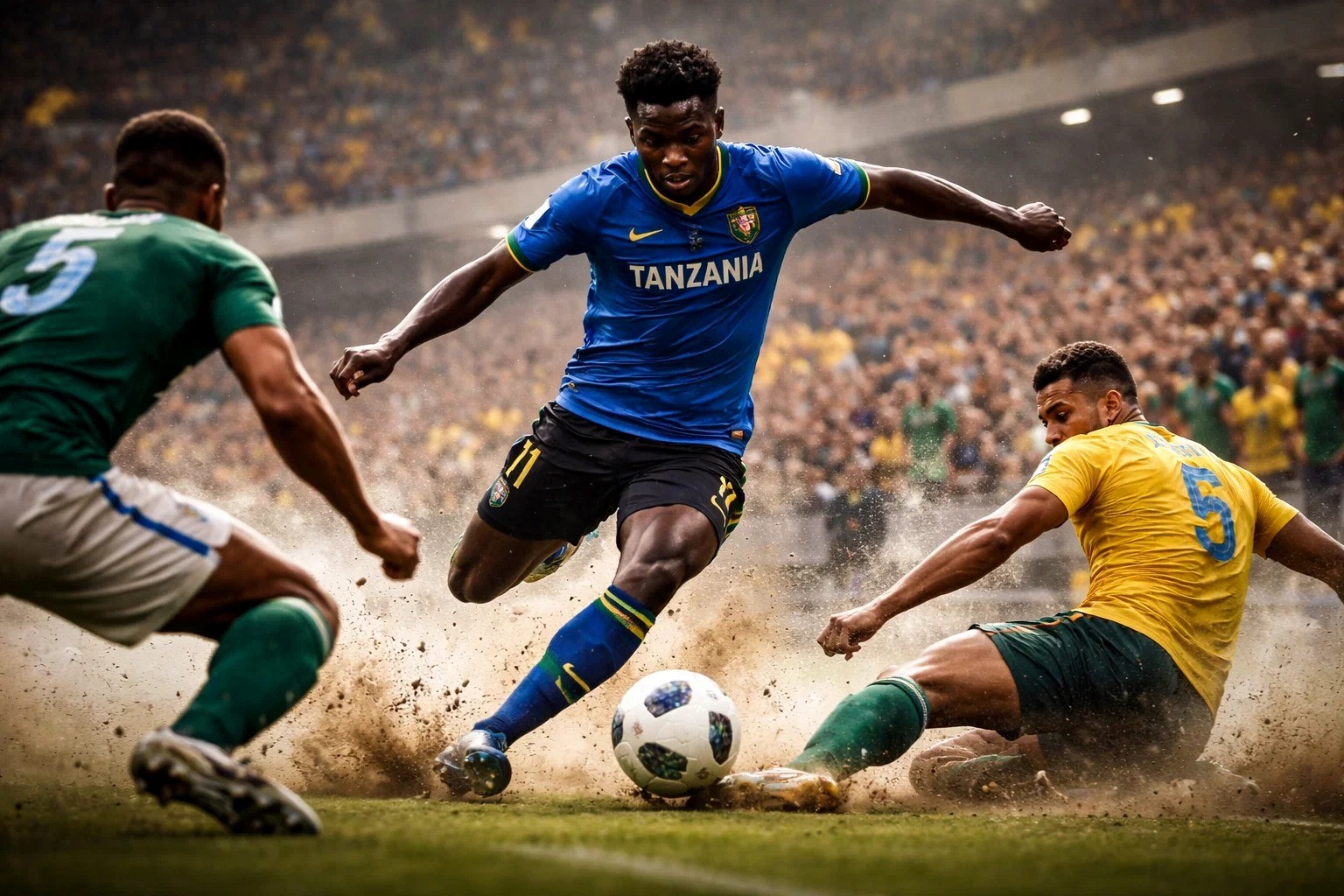
Box timing, hold up, authority when tense moments come to the fore of the attack. FIFA thinks of Samatta as one of the most influential Tanzanians on a soccer field and that he was the first Tanzanian to appear in the English Premier League. And Mzize has a little bit of the younger line breakers to the end as a guy who can flip your game in half a second too fast.
Why Recent Player Progress Feels Real
The best thing to watch for is not one night being bright on top of all the nights coming before that, but a pattern of good nights. When opponents make mistakes, it’s those things that work against the team they play for.
Three details explain the growth:
- Feisal Salum gives the midfield a cleaner brain, not just a prettier one. He slows, rushes, opens angles, and turns half-chances into usable attacks.
- Mzize has added a fresh scoring profile. CAF repeatedly highlighted his movement, pace, and finishing in high-pressure regional competition.
- The back unit has younger legs and more range, which reduces the panic that used to appear after long spells without the ball.
That combination is why the side feels more stable. Qualification is rarely about style points. It is about repeating useful habits, surviving difficult stretches, and taking the right chance when it arrives.
The Midfield Engine And The Names Around It
Feisal Salum sits at the center of most encouraging signs. CAF described him as the creative engine behind the side’s strong tournament stretches, and ESPN’s current roster data shows he continues to be one of the most active contributors in advanced midfield zones.
That does not mean everything depends on him. Charles M’Mombwa offers another way to connect phases. Mudathir Yahya gives the coaches a calmer option for circulation. Kelvin Nashon matters less because of star status and more because he signals that fresh competition is alive inside camp. This is one of the clearest differences between the present version and older editions: the center of the pitch is no longer one-man problem solving.
The trade-off is obvious, though. When opponents close central lanes and force hurried decisions, the side can still lose composure. That is the next tactical step: not merely creating chances, but controlling difficult phases without rushing them.
World Cup Ambition And The Step Toward The World Level
World Cup qualifying is where optimism gets tested hardest. Every CAF campaign is brutal because even a decent window can collapse after one missed chance or one bad defensive sequence. Still, the current pool looks more equipped for that pressure than earlier editions did. FIFA in late 2024 had Hemed Suleiman talking openly about taking the country to World Cup 26, and the team later reached those targets on the international stage in a more tangible and credible way.
CAF’s 2025 report showed the national side at FIFA ranking 103 and a statement about it within AFCON said the attitude is not simply of “honorable participation.” That change in tone matters nowadays. The world level is still a step above but the level of belief is much different from belief.
A few points shape that bigger picture:
- Domestic clubs have improved their continental rhythm, which raises the standard of camp-ready players.
- Selected overseas experience gives the group broader tactical references.
- Younger attackers now offer more than hopeful potential; they are already delivering in meaningful fixtures.
The gap to the very top of Africa has not vanished. But it is smaller when a side can defend transitions better, produce more than one kind of goal threat, and stay emotionally steady after setbacks.
Domestic Base, Overseas Pathway, And What Comes Next
The local league is a foundation. CAF’s squad reporting mentioned that some of the Tanzanian talent was retained, including Feisal Salum, Pascal Msindo, Yakoub Suleiman and Mohamed Hussein. Constant continuity is the most attractive because timing, spacing and trust do not have to be established from zero during every camp.
Overseas experience still matters too, even in small doses. Mnoga’s route through England gives the group another reference point for defensive detail. Samatta’s career arc remains symbolic for younger attackers. Not every prospect will jump to a top-five league, and there is no current star regular in Ligue 1 leading this cycle, but the pathway looks broader than it used to.
|
Development channel |
Value to the current pool |
|
Domestic league |
Shared timing, chemistry, and sharper collective habits before camps. |
|
Overseas route |
Different training intensity and more varied tactical schooling. |
|
Younger call-ups |
Faster options, succession planning, and pressure on older names. |
This is why continuity matters so much now. The country does not need a miracle story. It needs repeated camps, healthier availability, and a coaching plan that keeps role definitions clear.
Best Young Names For The Next Update in Tanzania National Football Team
If attention stays only on famous veterans, the bigger story gets missed. The most exciting sign is that newer faces are starting to matter in serious fixtures rather than in symbolic cameos.
Clement Mzize is the clearest example. CAF named him CHAN 2024 must-watch attackers.
Novatus Miroshi is another key figure because modern defending is no longer only about clearances. He can defend, step out, and still influence attacking phases. CAF highlighted his assists during AFCON 2025.
Pascal Msindo and Kelvin Nashon matter for a different reason. Not every prospect becomes a regular, but a healthier pool is one in which younger names are visible before a crisis forces change.
One more positive sign is emotional control. In earlier cycles, one bad result could distort the next outing. Recent tournament evidence suggests the group now manages pressure better from the first whistle to the final phase of a match, and that often decides whether a close game ends in frustration or belief.
FAQ
Who Is The Main Leader In The Current Group?
Mbwana Samatta remains the clearest dressing-room reference and one of the most important senior figures. CAF’s AFCON coverage still places him at the center of the side’s identity.
Which Younger Attacker Is Rising Fastest?
Clement Mzize stands out most strongly because of his CHAN impact and his growing reputation in major fixtures.
Why Does The Defense Look Steadier Now?
The pool has variety, quicker recovery profiles, and more support from full-back areas. Mnoga, Miroshi, Dickson Job, and Mohamed Hussein all help widen the options.
Is Qualification For A Bigger Event Realistic?
Yes, more realistic than before.
What Still Needs Improvement Most?
Calm possession under pressure and more ruthless finishing against stronger opponents.
